


How Art Can Help You Recenter During Stress and Burnout

Clinically reviewed by Elizabeth Schmidt, MS, ATR-P, LPC, Art Therapist at Camber Mental Health.
Thought Art Class Was Just a Break from Math?
Turns out, using paint to process your feelings can be more than fun; it can actually be a powerful, relaxing way to care for your mental health.
When Stress Builds Up, Creativity Can Help You Breathe Again
There may be times when everything feels like it’s piling up at the same time and feels like too much to handle. Deadlines start to stack up, emotions are running high and burnout is slowly creeping in. When we experience those moments, our body naturally craves a sense of grounding. For some, that may come from talking, using your words and expressing things verbally, but for others, it can come through colors, shapes and even textures. That’s where art therapy comes in, not to be seen as a luxury but as a unique, powerful and expressive form of care.

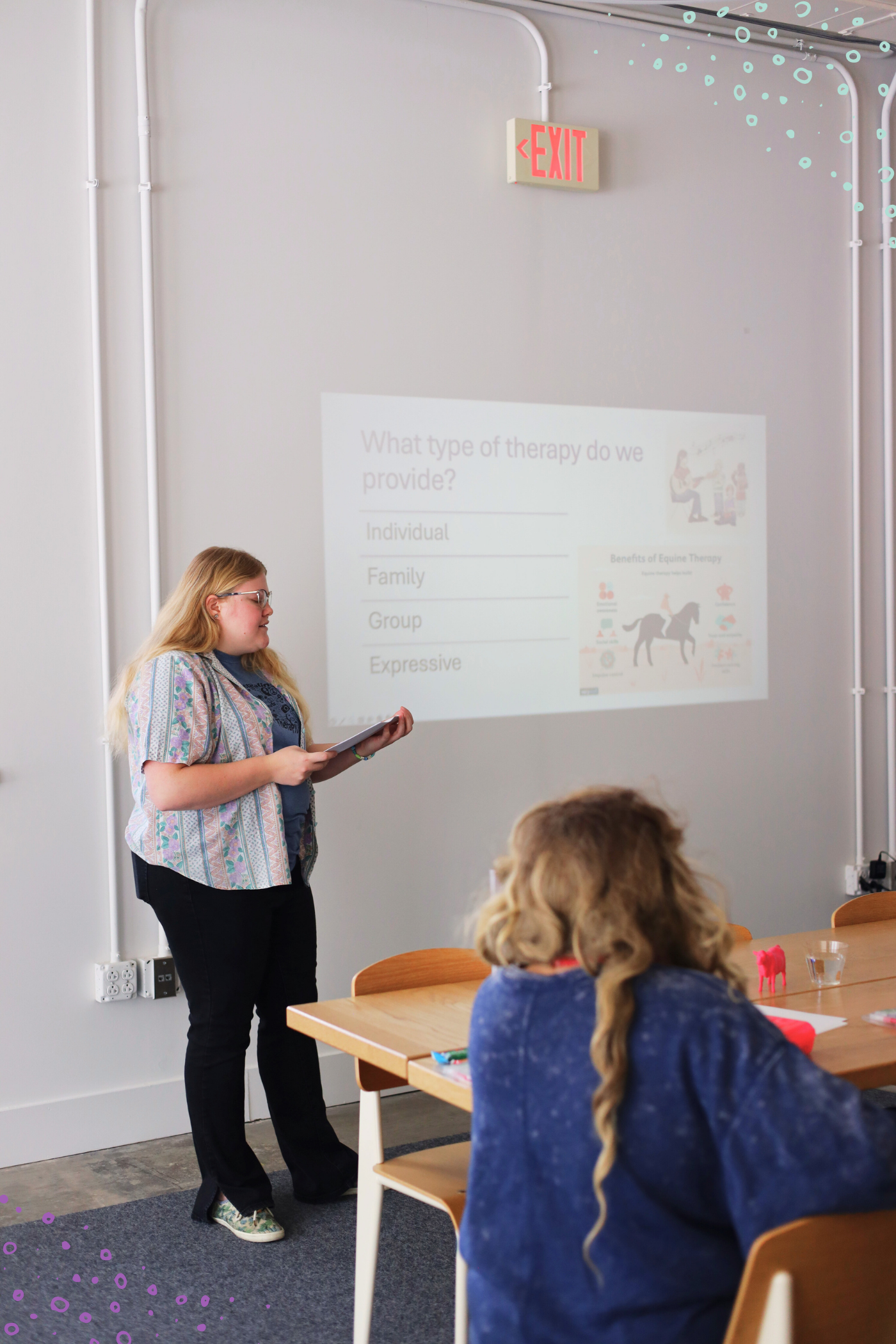
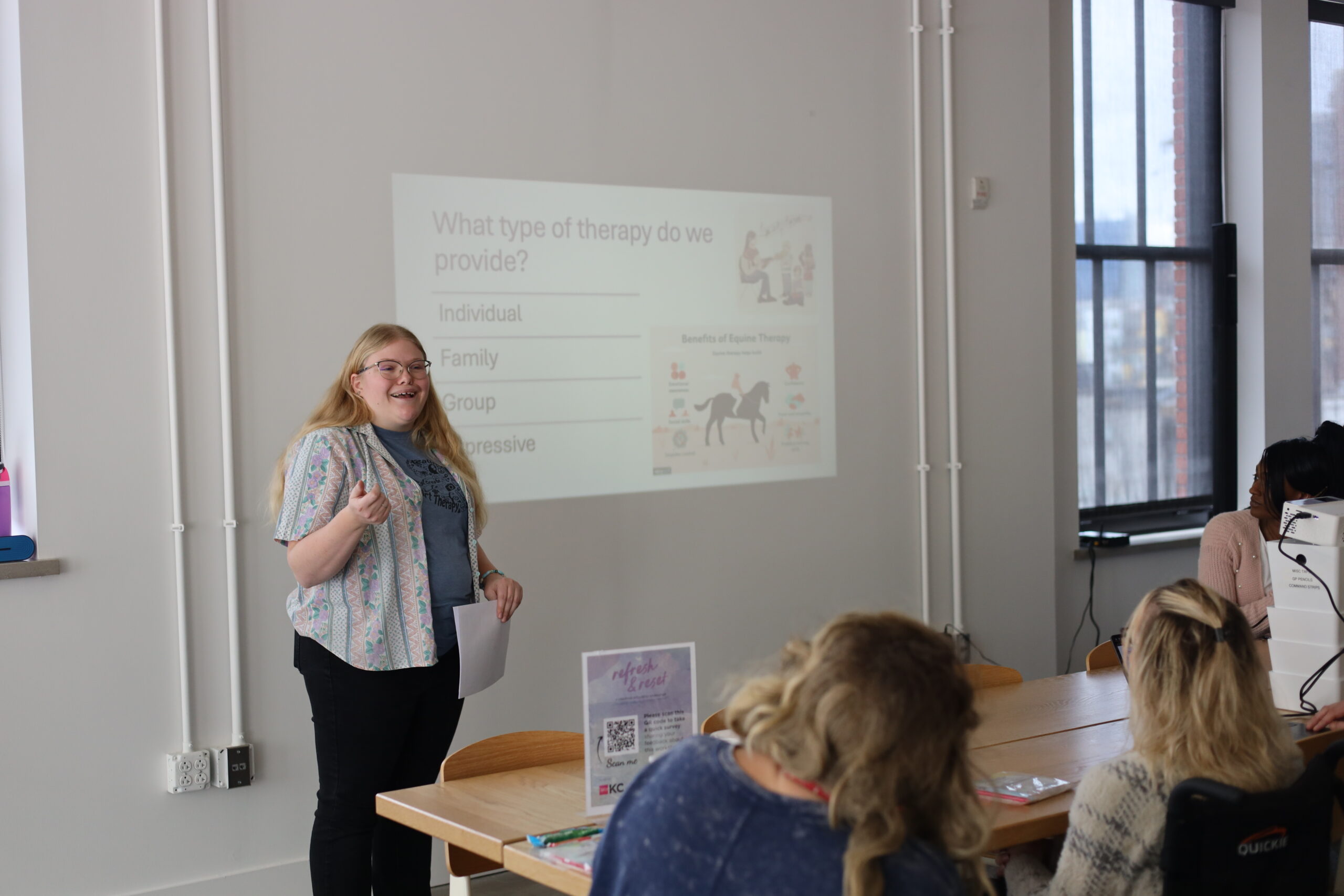
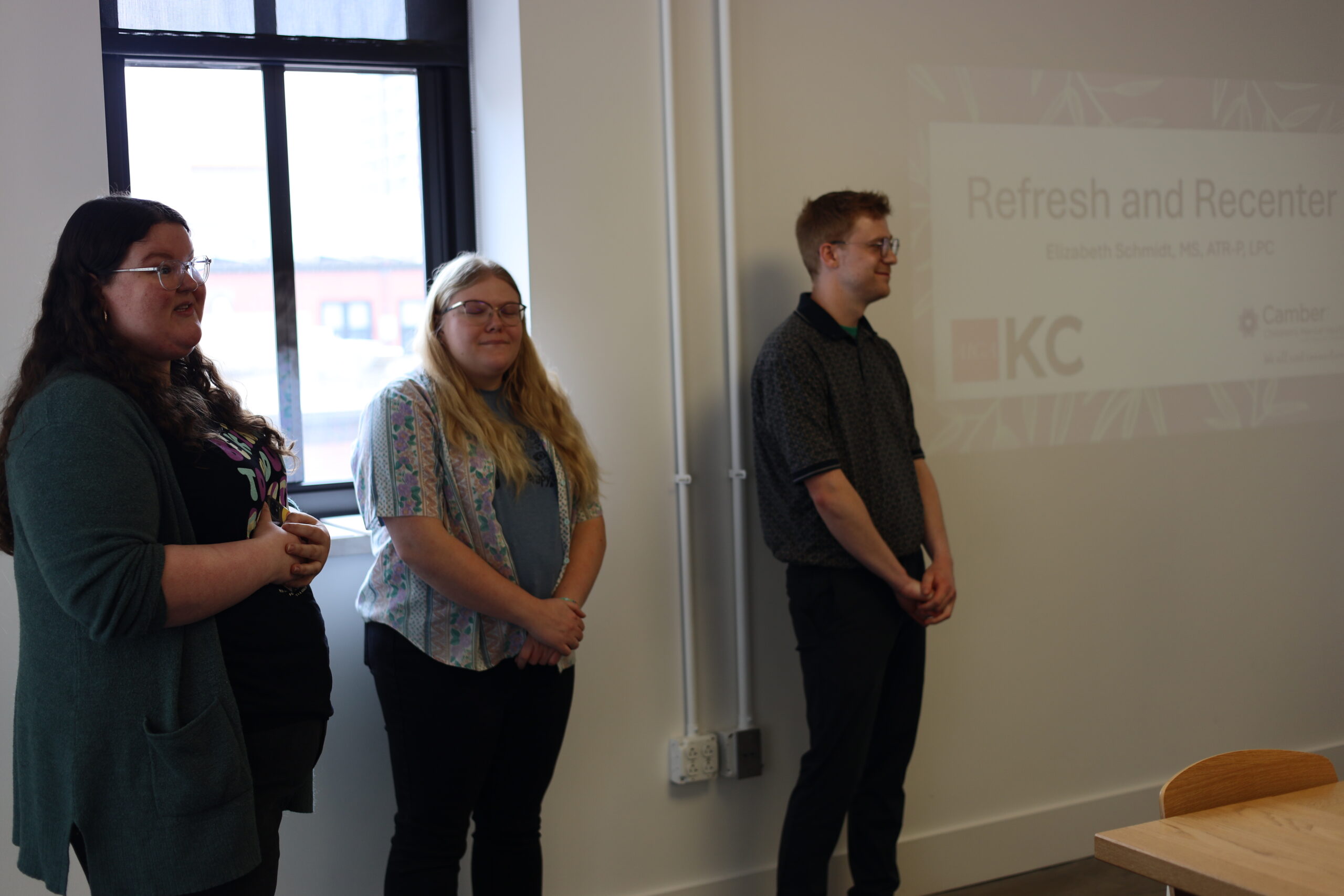
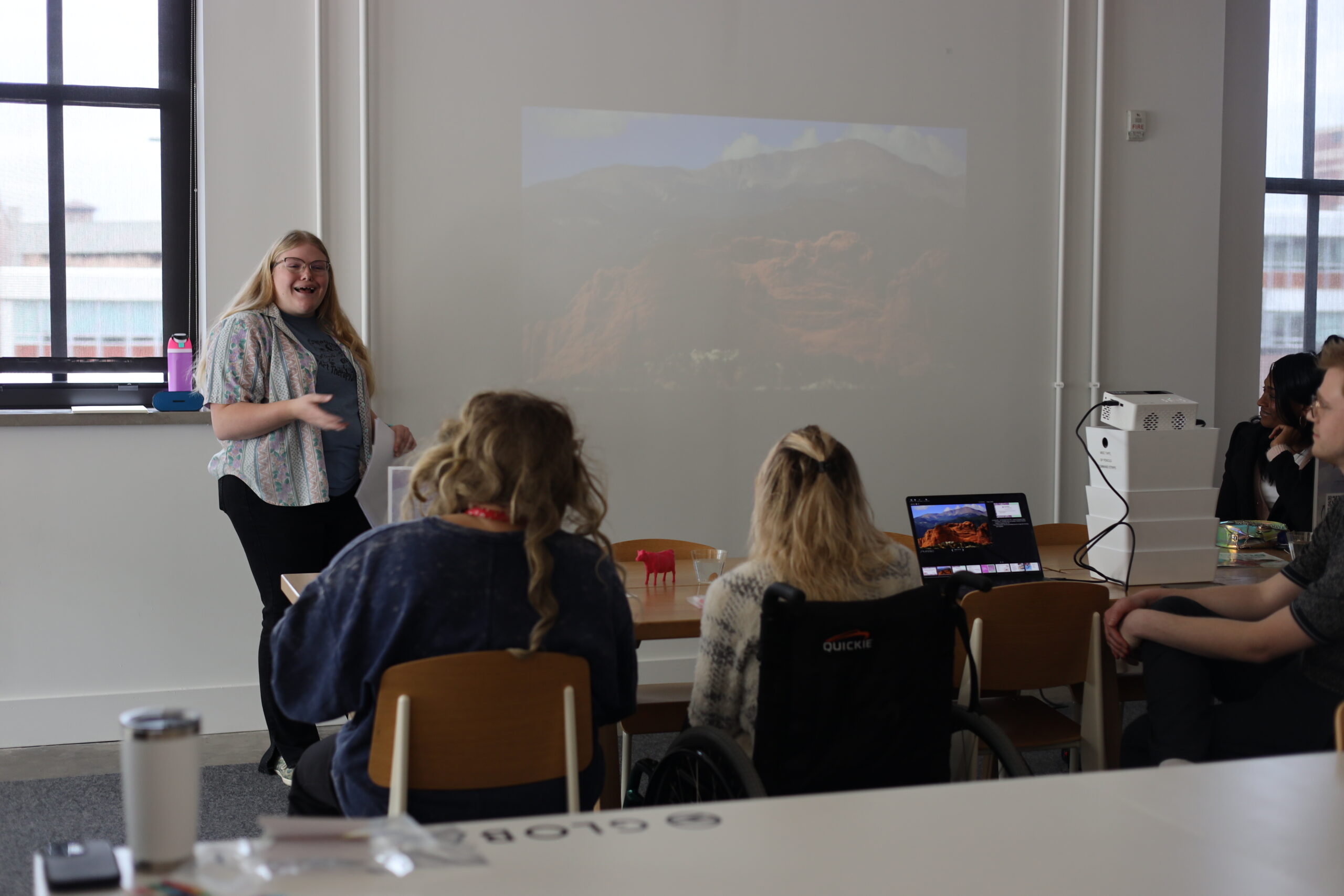
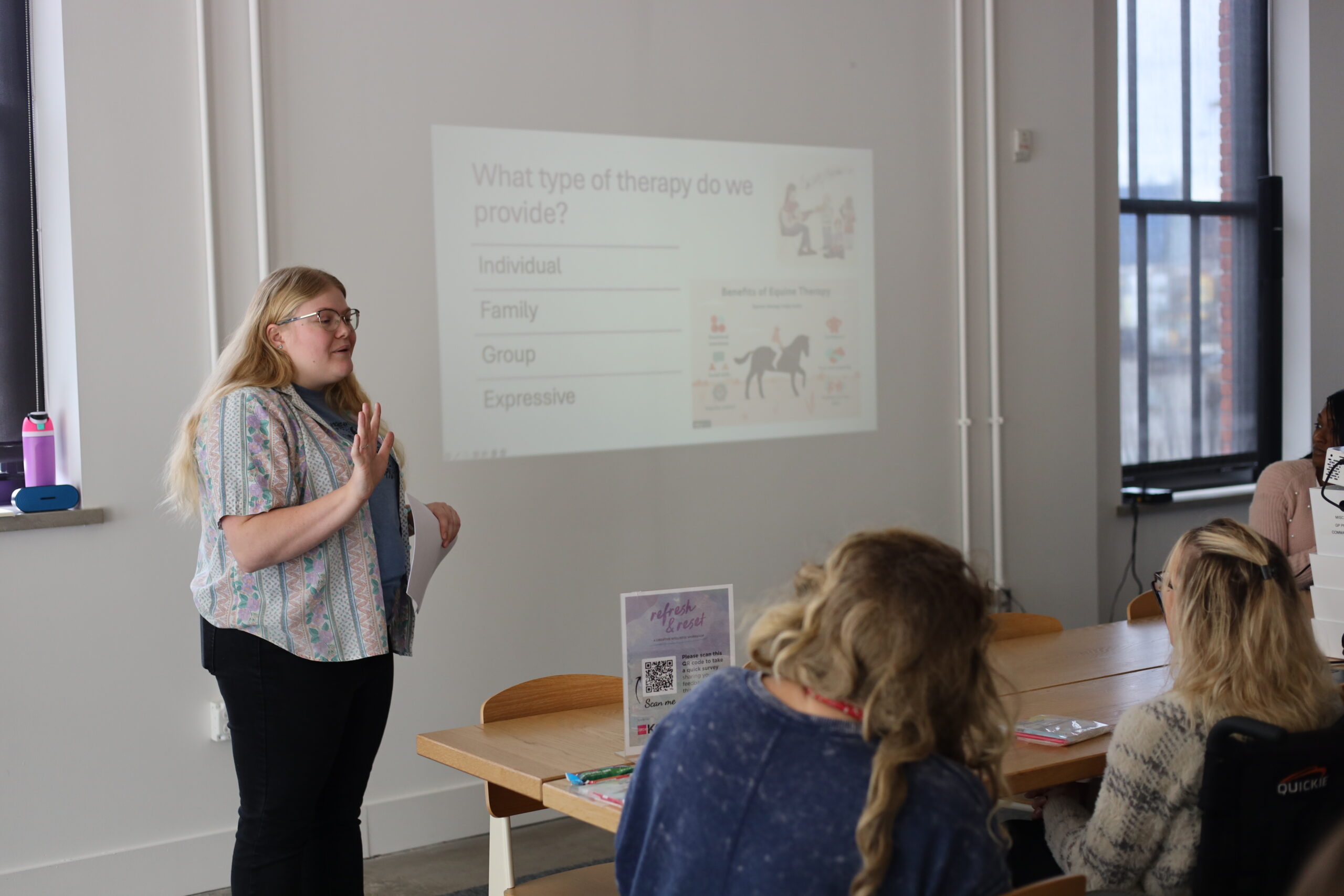
Elizabeth presenting at the Art Therapy Workshop with AIGA & Camber
Elizabeth Schmidt, MS, ATR-P, LPC, an art therapist at Camber Mental Health, has seen firsthand how art can help people reconnect with themselves in meaningful ways. Her insights inspired this blog and reflected the deeply human side of creative healing.
At Camber Mental Health, expressive therapies like art are a core part of helping clients release stress and reconnect with themselves. Whether someone is healing from trauma or just feeling overwhelmed by everyday pressures, creativity offers an outlet that doesn’t require the “right” words.
What Is Art Therapy and Who Is It For?
Art therapy is more than painting for fun. It’s a mental health profession that uses the creative process to support healing, connection and growth. As defined by the American Art Therapy Association, it’s rooted in psychological theory and built on trust between the client and therapist.
And it’s for everyone, all ages, genders, backgrounds and experiences. At Camber, you don’t need to be “artistic” to benefit. What matters most is your willingness to explore and express.
Why Art? Why Now?
Stress and burnout can make it hard to think clearly or feel connected to our bodies. In those moments, traditional talk therapy might feel overwhelming. That’s where creative approaches come in. Watercolor, for instance, is one medium often used in art therapy. It flows, blends and softens edges, just like we hope to soften stress.
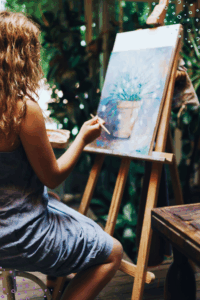
This type of therapy meets people where they are. Some sessions feel like open studio time where the client leads. Others are more structured with specific prompts like:
- Paint your emotions
- Create patterns or mandalas
- Draw your breath
- Turn ink blots into something unexpected
- Express gratitude through abstract shapes
These may seem like random art prompts, but they aren’t. They’re invitations. They give people a safe, creative space to let go of any pressure and express themselves in ways that don’t rely on words. Picture this: you’re dipping a brush into paint, not to create a masterpiece, but to let something inside you move. Maybe it’s frustration. Maybe it’s joy. Maybe it’s just the need to breathe. You swipe color across a blank page, and with each stroke, a little bit of that internal pressure releases. That’s the point. Not perfection, just presence. Just a moment to feel a little more grounded in yourself.
Burnout Deserves More Than Rest
Burnout doesn’t always announce itself with a big breakdown. Sometimes, it shows up quietly, you stop caring about things you used to love, your to-do list feels heavier than it should and even rest doesn’t feel restful anymore. Tiredness might be the first thing you notice, but burnout can run a lot deeper. It wears on your emotions, your motivation, even your sense of self. Over time, the constant weight of stress with no off switch can start to chip away at your wellbeing in quiet, sneaky ways.
According to the World Health Organization, burnout includes:
- Exhaustion
- Increased mental distance from work
-
Feeling like you’re not getting much done or that your work doesn’t really matter
Art therapy doesn’t erase burnout overnight, but it gives people tools to slow down, reflect and rebuild. That’s part of the healing journey, reconnecting with creativity and discovering new ways to care for ourselves.
A Glimpse into a Session
Imagine walking into a quiet space, soft music playing, a table filled with paints, brushes and blank paper. No pressure. No right or wrong. You might be invited to paint what anxiety feels like, or express your inner critic using only colors and lines.


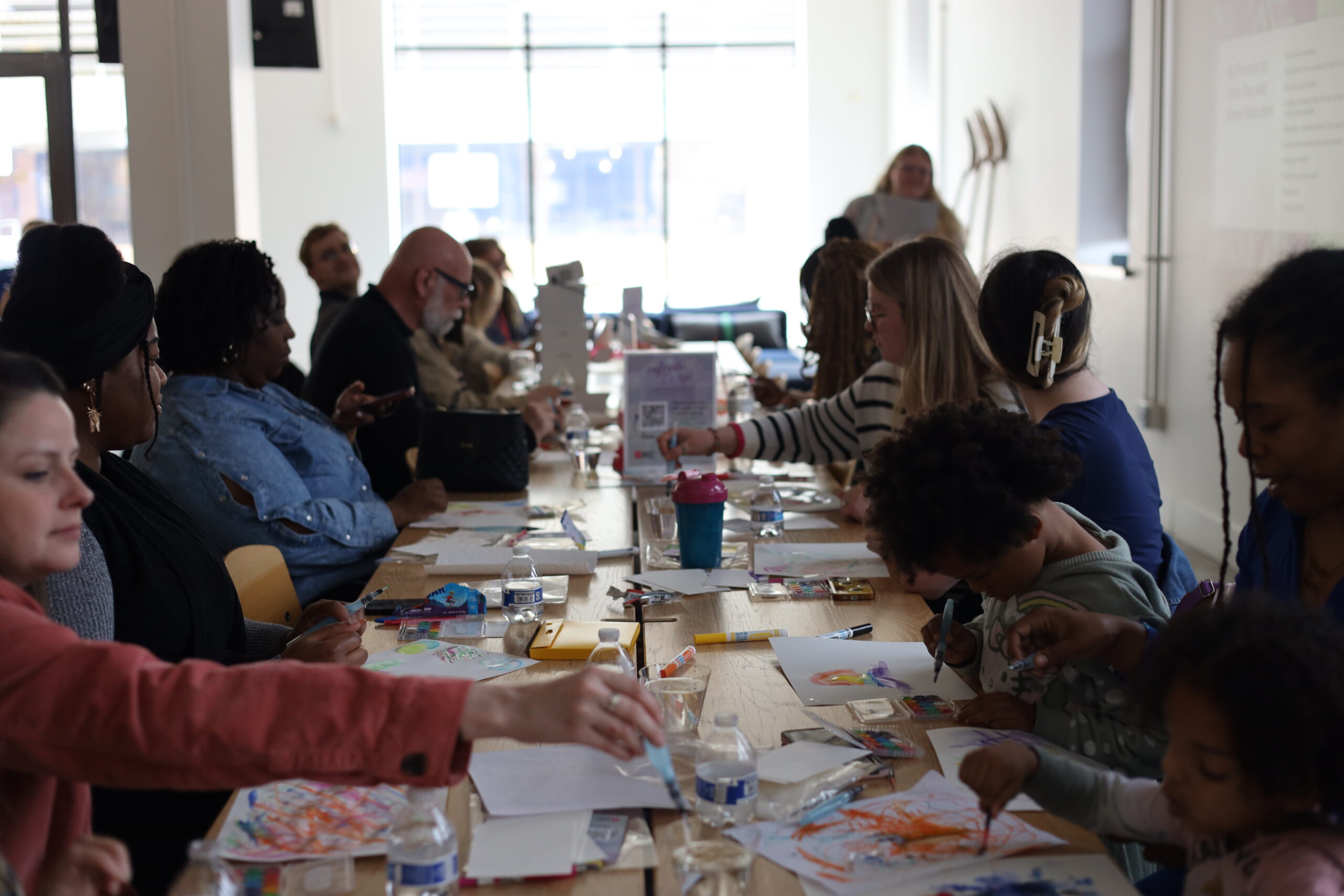

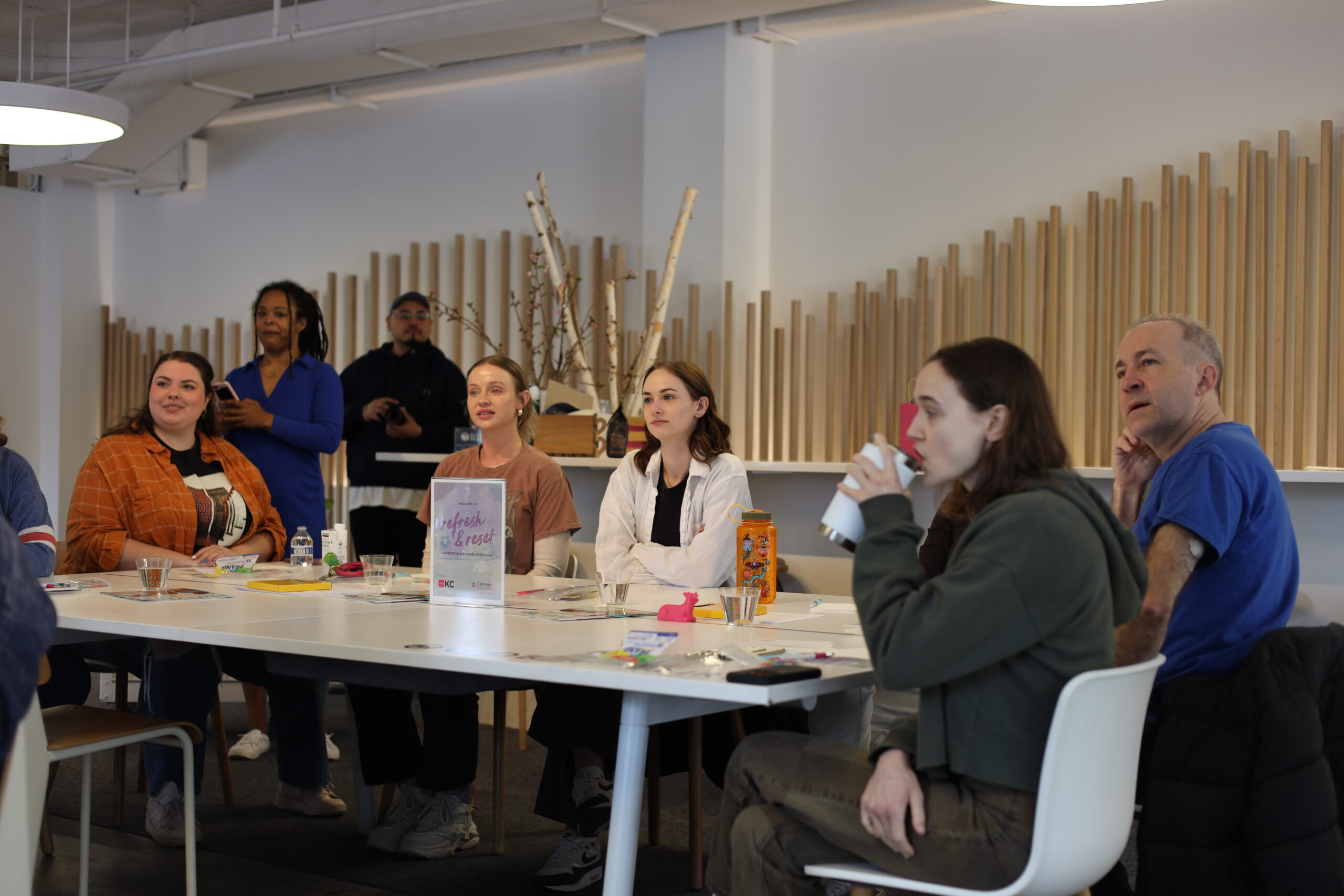
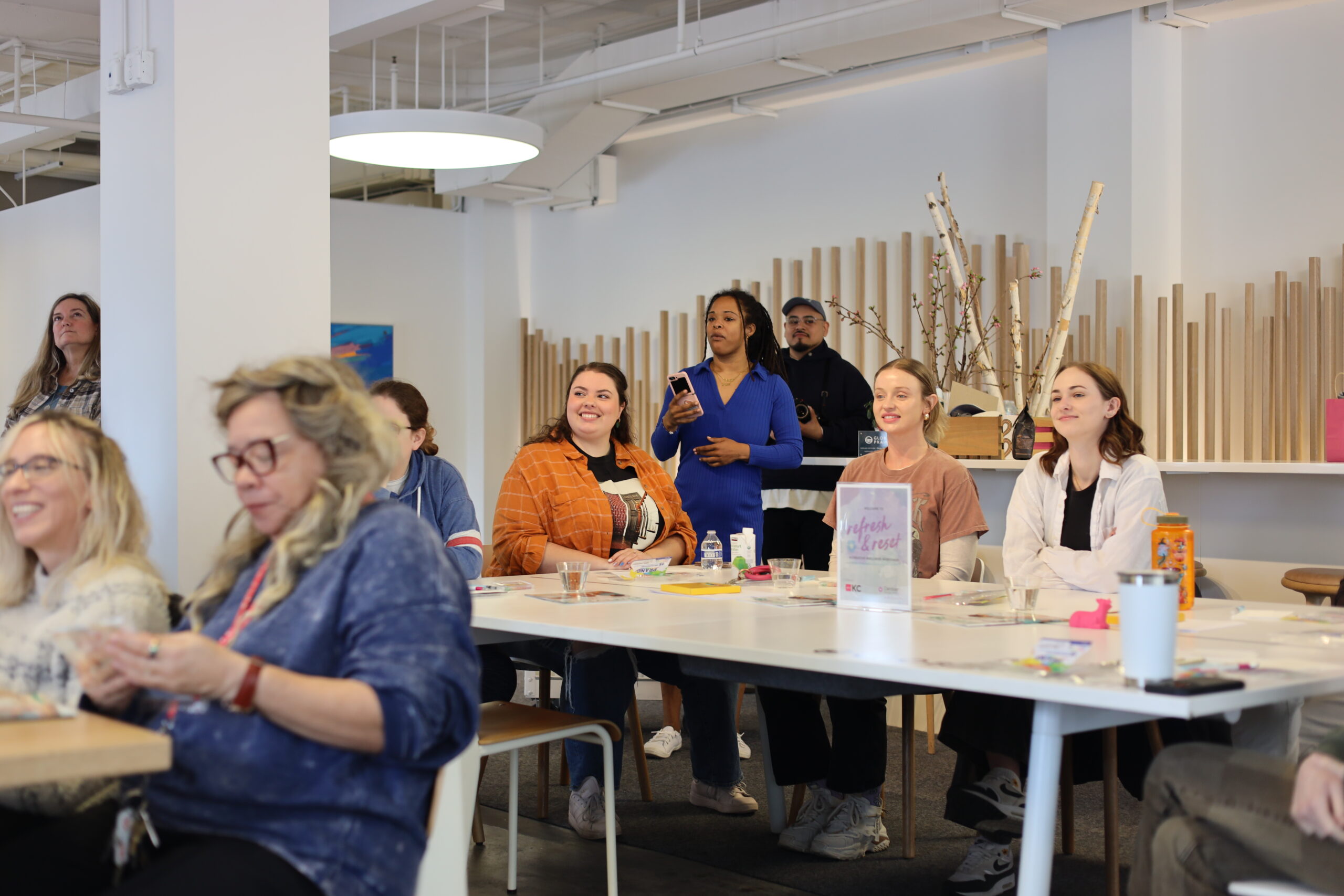



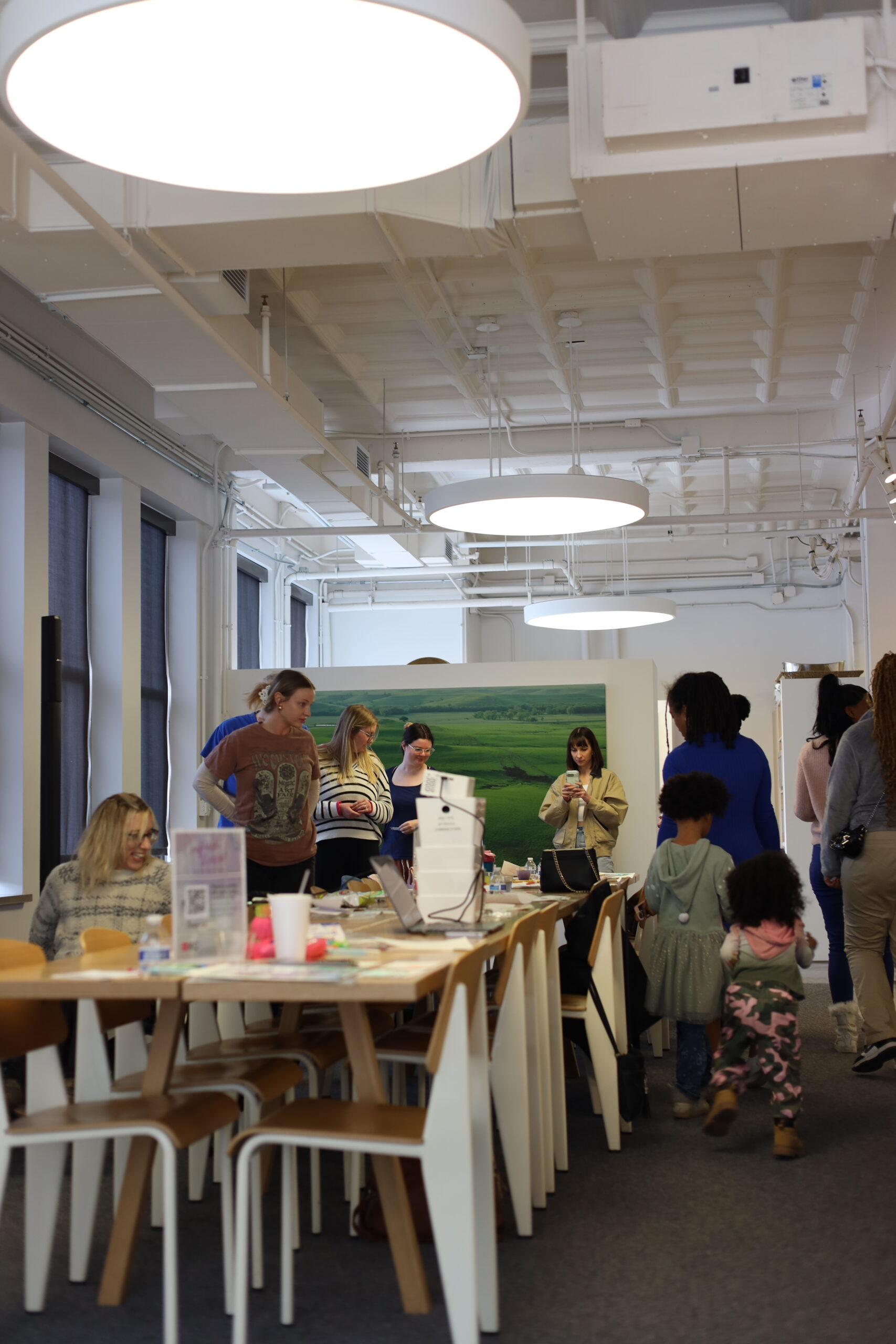
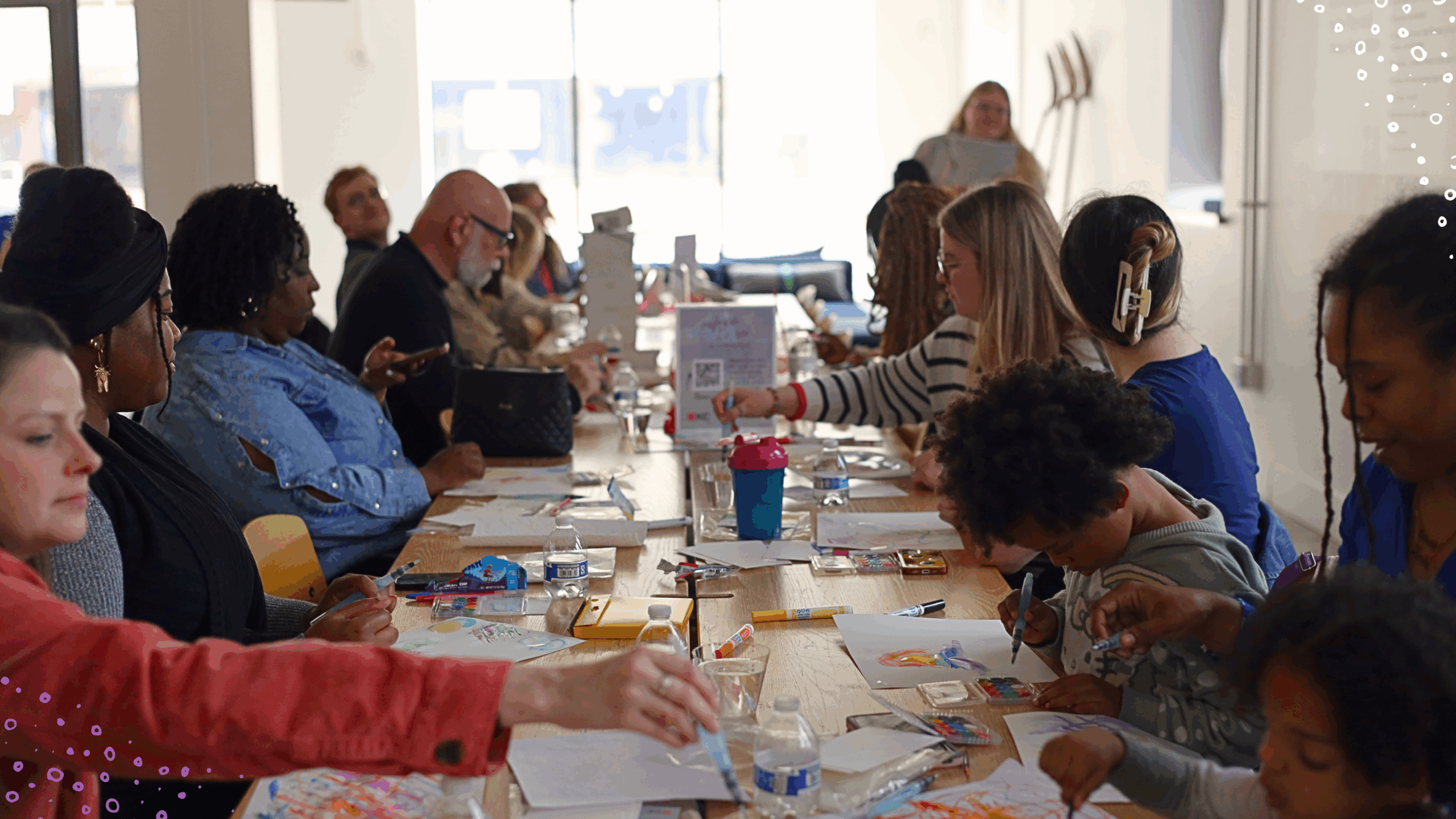
You might even draw yourself as a plant, rooted, growing, reaching toward light. This kind of expression can gently surface emotions that words might miss and that’s where transformation begins.
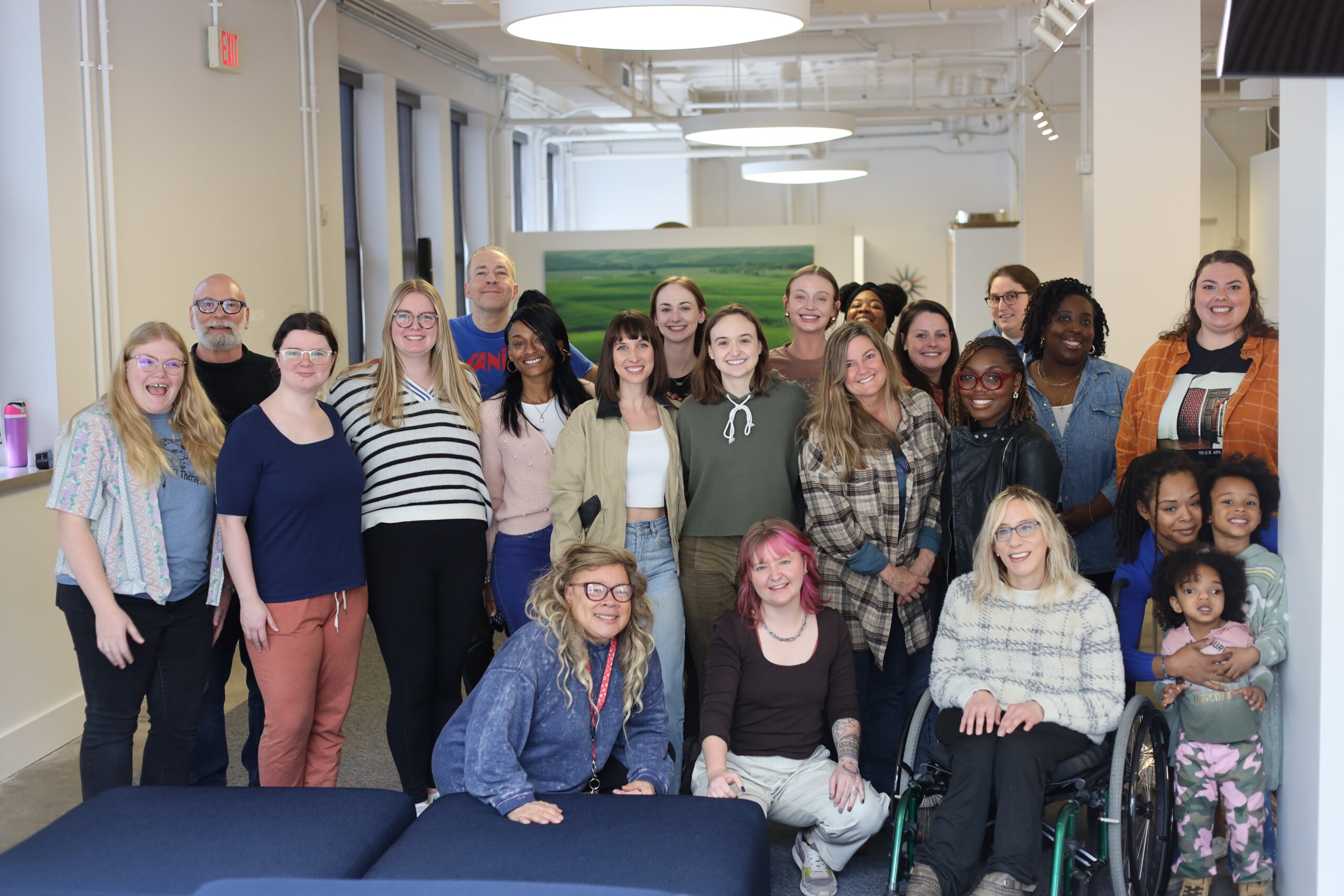
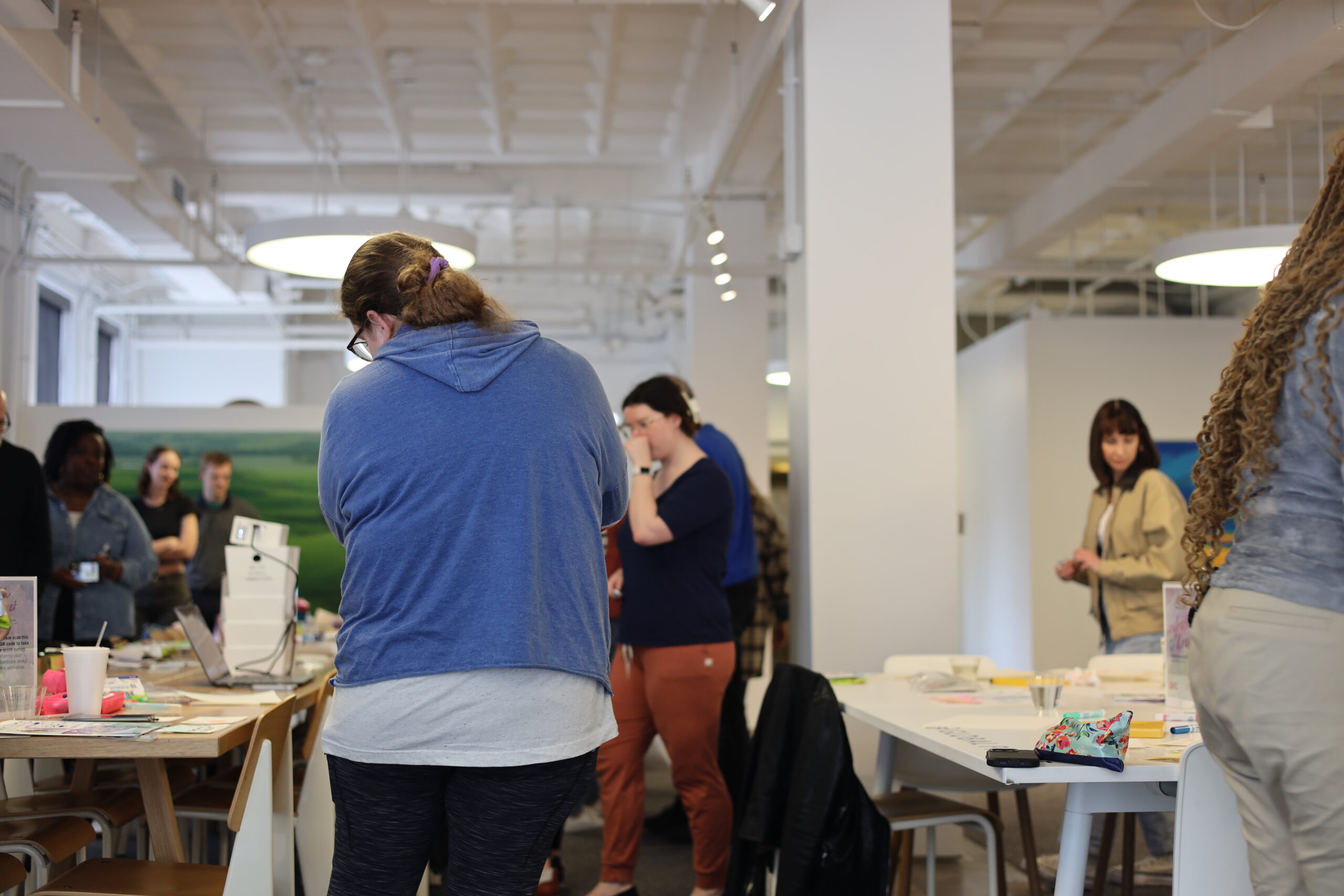
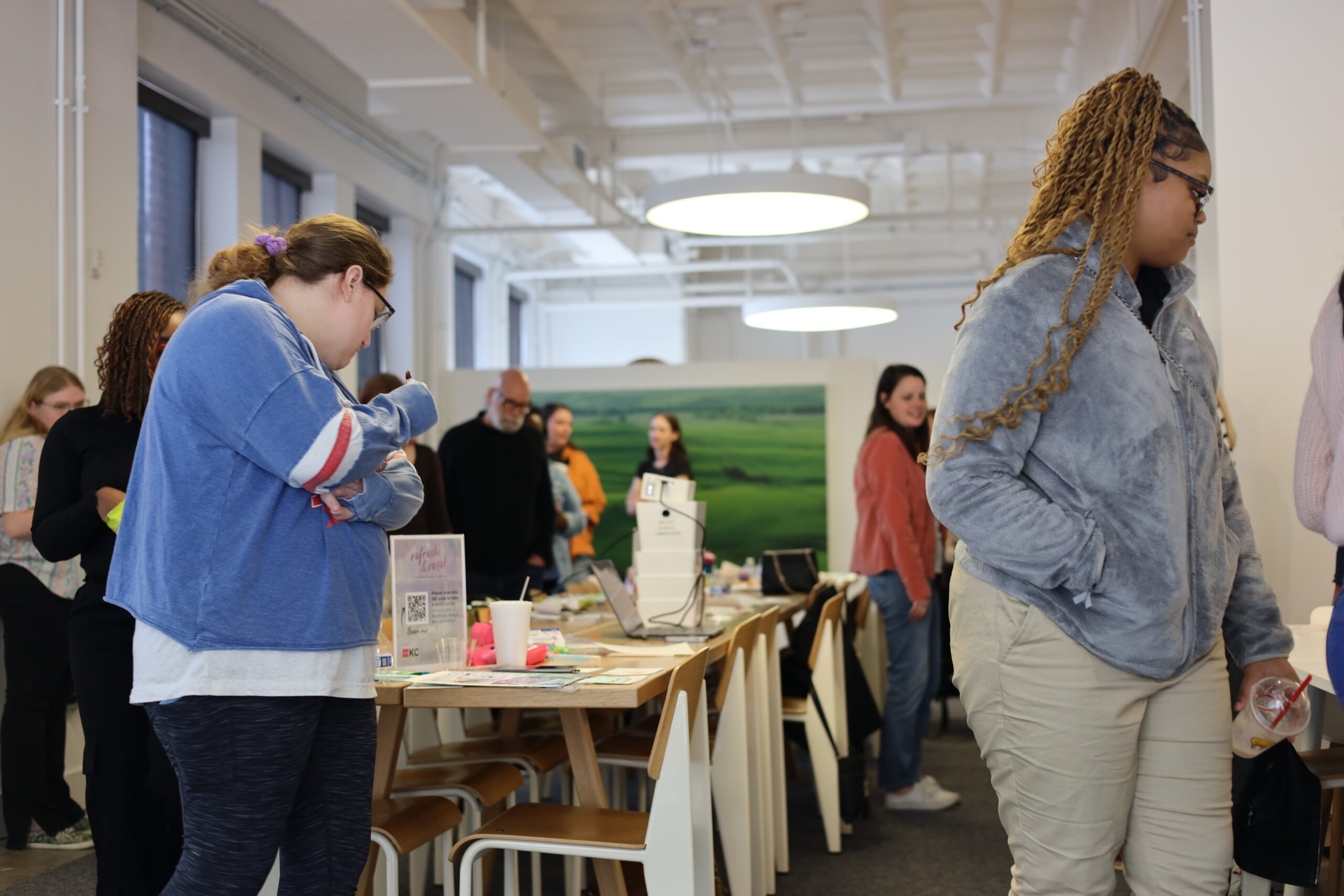
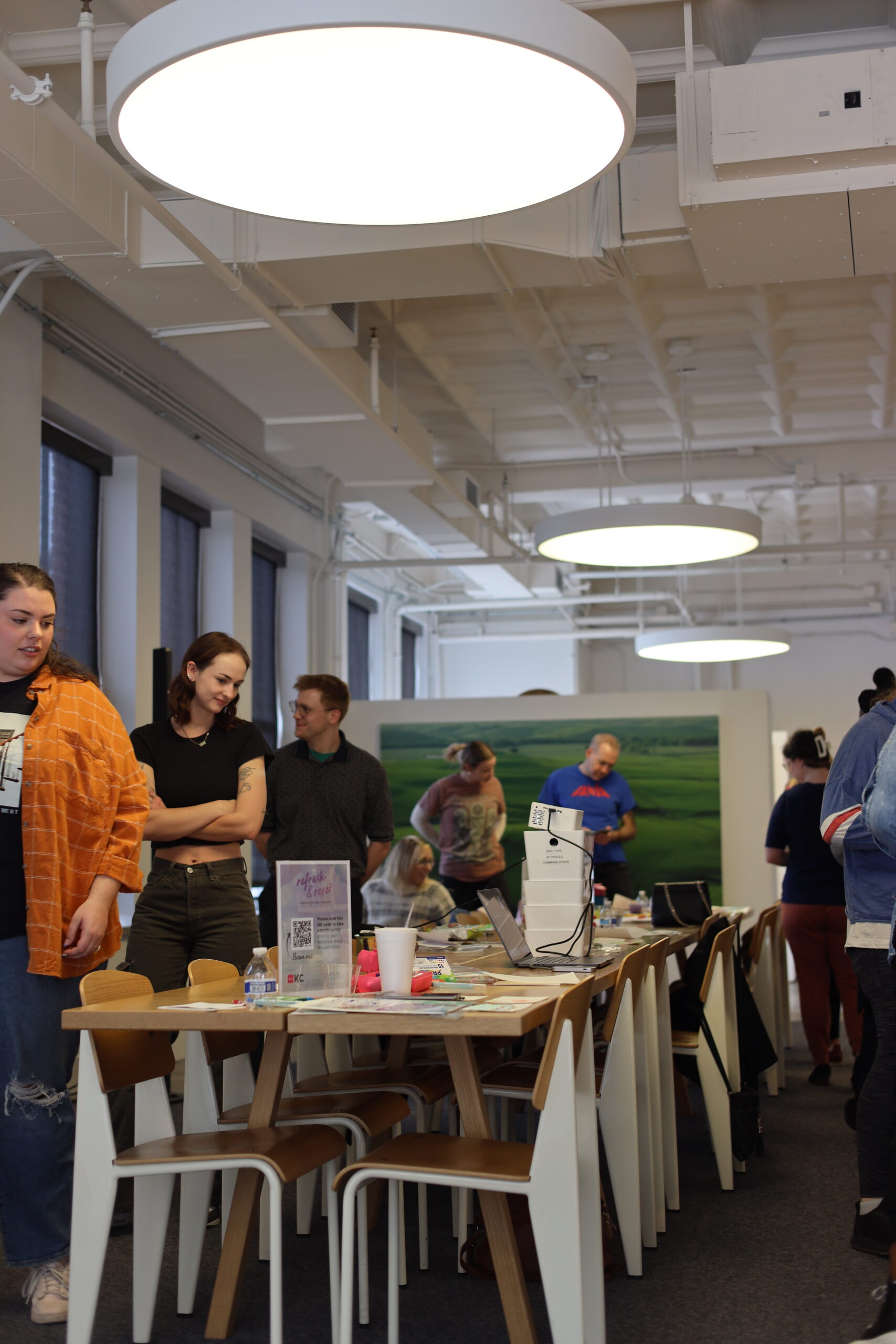
Catch the highlights from our art therapy session here.
Ready to Try Art Therapy?
If you a child or teen you love is navigating stress, burnout or emotional overwhelm, Camber Mental Health offers expressive therapy options as part of our inpatient care for youth. Our team is here to support your journey.
To learn more about admissions or explore if this approach is a good fit for you or a loved one, call our admissions team at (913) 890-7468 or visit cambermentalhealth.org/admissions.