





Feeling Anxious? Here’s How a Short Walk Can Reset Your Mind
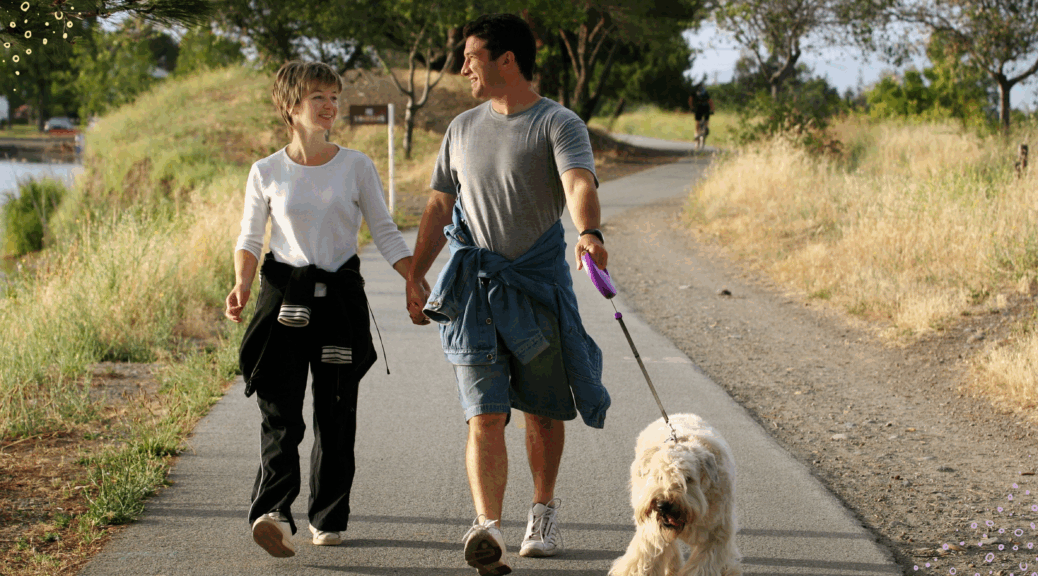
Are you feeling stuck, restless or anxious? Sometimes small steps can make a big difference. Self-care habits like journaling, reading a book, eating a healthy diet and other mental health routines can feel overwhelming when you’re stressed or anxious. When you’re stuck in your feelings, one simple and approachable thing you can do is go for a walk!
Walking, whether around the block or out in nature, is a gentle way you can support your mental health and offer your mind and body moments of calm, clarity and connection. Things like weather, motivation and even mental health symptoms can make any form of movement tough, and that’s okay! Even just one lap around the neighborhood loop may leave you feeling just a little bit better and more connected with yourself. Remember: Every step in the right direction is a good one.
Why Walking Matters for Mental Health
 How can something as simple as walking make a difference for your mental health? Just putting one foot in front of the other can pay off in powerful ways. This low-impact, moderate exercise can be a powerful tool for recovery. Here are just a few research-backed mental health benefits of walking:
- Reduces the risk of depression and anxiety
- Improves sleep
- Boosts energy levels
- Enhances cognitive performance and memory
- Decreases stress and tension
- Releases mood-boosting chemicals
At its core, walking is exercise! It is approachable, low-pressure and adaptable to almost anyone in any circumstance, offering a way to get your body moving and soak in the physical and mental benefits.
Different Ways to Walk (and Why ALL Count)
There is no “right way” to go for a walk. And it doesn’t require any fancy gear or a gym to accomplish! Some ideas for how to get your daily walk in include:
- Taking a solo stroll around the neighborhood
- Going on a nature walk with a friend or pet
- Walk around your workplace during a lunch break
- Go for a walk with your child or teen after school to burn off some steam
- Put in headphones and listen to a favorite playlist, a good podcast or an audiobook
- Pacing indoors or marching in place (a good idea on rainy or cold days!)
Even if you have limited mobility, there are mental health benefits to adapting a walk for your needs. If needed, shorten the distance and ask a friend or family member for help moving safely. Talk to your doctor about modifications to help. Again, even taking a few steps across the living room may be where you need to start, and that’s okay!
Making Walking Your Own
The key to embracing a walking habit is making it both enjoyable and personalized to you. Explore different ways of walking, and track how you feel both before and after to see what gives you the best mood boost. If you like variety, having a lot of different ideas may be the way to go. To make walking alone more enjoyable, consider popping in your headphones and listening to a podcast, audiobook, music or walking meditation. Above all, don’t forget to celebrate your wins!
Staying Motivated
 It can be easy to lose motivation with any healthy habit. Remember to give yourself grace as you work to make walking part of your routine, and try these simple tips to keep motivation up:
- Share your experiences with a friend
- Celebrate the wins. This can be walking faster, farther or more consistently.
- Invite a friend or family member to be your walking buddy or ask them to hold you accountable
- Focus on the emotional and mental side of walking, not just the physical
- Remember that progress isn’t linear — it’s okay if you miss a day for bad weather or because your energy levels are low
Where to Walk
So you’ve laced up your shoes and you’ve queued up a playlist! Where should you walk? As always, prioritize safety. Sidewalks that are free of obstacles are ideal to prevent tripping. If you’re walking in the early evening, make sure you’ve picked a space that’s well-lit. And choose an area that’s free of traffic too.
Eager to go beyond your neighborhood and into nature? Here are some great nature trails in areas near Camber locations!
Wichita

Hays

Kansas City

Staff-Recommended Walking Prompts & Tips
If you’re new to walking as a mental health habit, we’re here to help you get started! Our mental health experts at Camber have put together five gentle prompts to encourage and inspire you to walk more mindfully:
“Try a five-minute walk during a stressful moment.”
Physical activity is proven to reduce stress, but that doesn’t mean you’ll always feel like lifting weights or doing a high cardio workout if things are stressful and overwhelming. Going for a walk is a great way to clear your mind and both physically and mentally release pent-up stress without the pressure of an intense workout.
“Invite a friend or a family member to join.”
Make your daily walk a social event! Not only will this give you a built-in accountability partner, but it will also help you to form deeper bonds and have healthier relationships. That’s another cornerstone of mental wellness, making it a win-win.
“Notice the colors and sounds on your walk.”

Mindfulness and walking often go hand-in-hand. To release stress and anxiety on your walk, take in the full sensory experience. Listen to the birds in the trees, admire the colorful flowers, focus on what the ground feels like under your feet and be thankful for the little things.
“Mix it up! Change your route or walk at different times of day.”
If you find yourself growing bored and lacking motivation, sometimes all you need is a little variety. Walk somewhere new, with someone new or switch from a morning walk to a sunset stroll.
“No energy? Step outside for fresh air, even for a minute.”
It’s okay if you just don’t have a full thirty-minute or hour-long walk in you today. Pacing around the room or taking a few steps outside to breathe in the outdoors can still make a difference! Taking care of yourself sometimes means giving yourself permission to do less. Remember that every step counts, even if it’s just to the mailbox.
When to Reach Out for More Support
While walking can make a difference in your mental health journey, it isn’t a replacement for professional support when needed. If you’re feeling persistently down, anxious or stuck to the point where even walking feels like too much, connect with a mental health professional or learn about admissions at Camber.
As you’re exploring your new walking habit, share the journey with us on Instagram. We’d love to see your favorite walking spot and hear about what helps you get moving each day!